At first glance, the idea that a Witcher 3 DLC expected to sell 11 Million Copies sounds almost absurd. After all, The Witcher 3: Wild Hunt is a decade-old game. In an industry obsessed with the next big release, how could downloadable content—especially rumoured, not even officially announced—reach sales numbers that rival full standalone titles?
Yet when a respected Polish market analyst made this claim, industry observers didn’t laugh it off. Instead, many nodded quietly and started doing the math.
Because The Witcher 3 is not a normal game.
And its audience is not normal.
This article takes a grounded, expert-level look at why the forecast that a Witcher 3 DLC is expected to sell 11 million copies may be bold—but not unrealistic. We’ll explore the franchise’s unique lifecycle, CD Projekt Red’s long-tail sales strategy, player trust, platform expansion, and why this particular RPG continues to defy conventional market logic.
The Witcher 3 Phenomenon: Context Matters
To understand the credibility of this projection, you have to start with the foundation: The Witcher 3: Wild Hunt itself.
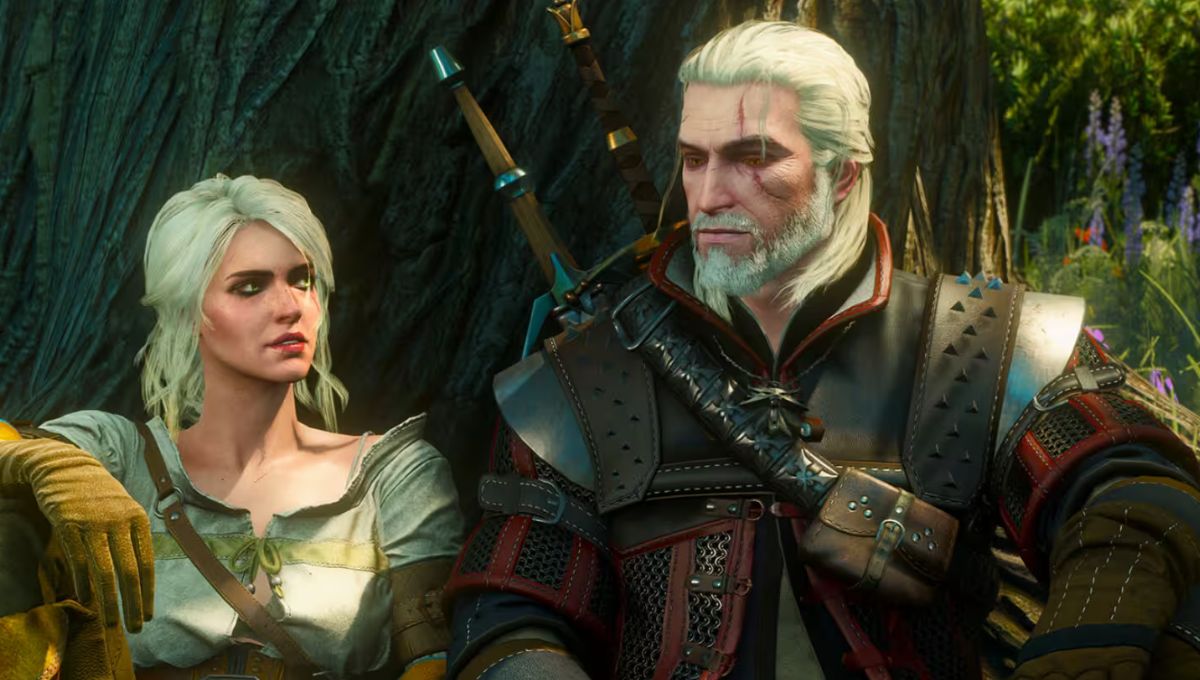
Released in 2015 by CD Projekt Red, The Witcher 3 quickly became one of the most celebrated role-playing games ever made. It wasn’t just a commercial hit; it became a benchmark for storytelling, world design, and post-launch support.
Over the years, the game has:
- Sold tens of millions of copies
- Received multiple next-gen upgrades
- Maintained an active modding community
- Attracted entirely new audiences long after release
Very few games enjoy this kind of longevity.
Why DLC Sales for The Witcher 3 Are a Different Beast?
Most DLC content follows a predictable curve: strong early sales, then a sharp drop-off. The Witcher 3 broke that pattern years ago.
Its major expansions—Hearts of Stone and Blood and Wine—were not treated as throwaway add-ons. They were premium narrative experiences, often praised as being better than full-priced RPGs from other studios.
This set a precedent:
- DLC was seen as essential, not optional
- Players trusted the value proposition
- Late adopters bought DLC years after launch
That trust still exists today.
Breaking Down the “11 Million Copies” Projection
Let’s address the central claim directly: why would an analyst believe a Witcher 3 DLC is expected to sell 11 million copies?
This isn’t guesswork. It’s a projection based on several measurable factors.
1. The Witcher 3’s Ever-Expanding Player Base
Unlike most games, The Witcher 3 keeps gaining new players.
Why?
- Frequent discounts
- Bundled “Complete Editions”
- Availability across PC, console, and handheld platforms
- Renewed interest from the Netflix adaptation
Every new player is a potential DLC customer—even years later.
2. Platform Expansion Changed the Sales Ceiling
When The Witcher 3 launched, its audience was limited to traditional gaming platforms. Today, it’s available on:
- Modern consoles
- PC storefronts
- Hybrid and handheld systems
This dramatically increases the addressable market for any new DLC.
An 11-million-unit projection doesn’t assume all sales come at once. It assumes long-tail accumulation over time.
3. DLC Pricing Psychology Works in CDPR’s Favour
Historically, Witcher DLC has been priced aggressively—often well below full game pricing while delivering massive content.
This creates:
- Low purchase resistance
- High perceived value
- Strong word-of-mouth
For many players, buying Witcher DLC feels less like a transaction and more like supporting a trusted creator.
Why Analysts Are Taking This Rumour Seriously?
The key detail here is not just the rumour—it’s who is making the claim.
Polish analysts have a unique vantage point when it comes to The Witcher 3: Wild Hunt and its publisher. They closely track:
- Domestic performance
- Investor communications
- Development hiring patterns
- Regional sales data
When such analysts make a bold prediction, it’s usually grounded in internal trend analysis rather than internet speculation.
The Role of Brand Trust in DLC Sales
One of the biggest drivers behind the “11 million copies” idea is trust.
Gamers trust CD Projekt Red—specifically when it comes to The Witcher.
That trust was earned through:
- Substantial free updates
- Honest communication (especially post-launch)
- DLC that respected player time and money
In an industry where trust is fragile, The Witcher 3 stands out as a rare exception.
Timing: Why Now Makes Strategic Sense?
From a business perspective, releasing new Witcher 3 DLC now would be unusually smart.
Here’s why:
- The franchise is between major releases
- Interest in the Witcher universe remains high
- Development costs are lower than for a full sequel
- The engine and assets already exist
This creates a high-margin opportunity with relatively low risk.
Narrative Potential: Why Fans Would Come Back Instantly?
One reason analysts believe the DLC could sell at scale is narrative hunger.
Players are deeply attached to:
- Geralt of Rivia
- The moral complexity of the Witcher world
- The unresolved corners of the lore
A well-written DLC—especially one positioned as a meaningful epilogue or side story—would trigger immediate interest across the fanbase.
Long-Tail Sales: The Witcher Model vs Industry Norms
Most games live and die within 18 months. The Witcher 3 operates on a different timeline.
Its sales curve looks more like:
- Steady baseline sales
- Periodic spikes during discounts or media events
- Renewed surges after updates or platform launches
DLC sales follow the same pattern. Over multiple years, hitting 11 million units becomes far more plausible.
The Netflix Effect Still Matters
While not the focus of this article, it’s impossible to ignore how broader media exposure impacts game sales.
Every major Witcher-related release—books, shows, announcements—creates:
- A spike in base game sales
- Renewed DLC purchases
- First-time player adoption
A new DLC would likely benefit from this ecosystem effect immediately.
Risks and Reality Checks
An expert analysis must acknowledge risks.
What Could Limit Sales?
- Market saturation
- Player fatigue
- Poor timing or unclear messaging
However, these risks are mitigated by the game’s established goodwill and the optional nature of DLC.
Why 11 Million Is Aggressive—but Rational?
Let’s be clear: 11 million copies is not a conservative estimate.
But it is:
- Achievable over time
- Supported by historical performance
- Consistent with Witcher 3’s lifecycle behaviour
When analysts say a Witcher 3 DLC is expected to sell 11 million copies, they are not predicting an overnight phenomenon. They are projecting a multi-year outcome.
What This Would Mean for CD Projekt Red?
If the projection proves accurate, it would:
- Reinforce long-term monetisation strategies
- Validate continued investment in legacy titles
- Set a new benchmark for DLC performance
It would also remind the industry that quality-driven content ages far better than hype-driven releases.
Industry Impact: A New DLC Benchmark?
If a decade-old RPG DLC reaches 11 million sales, it challenges long-held assumptions about:
- Content lifespan
- Player loyalty
- The value of post-launch support
Other studios would inevitably take notice.
Why the Prediction Deserves Respect?
The idea that a Witcher 3 DLC is expected to sell 11 million copies may sound shocking—but it’s rooted in logic, not fantasy.
Few games have:
- The player trust
- The cultural footprint
- The long-tail sales power
The Witcher 3 does.
And in an industry where quality storytelling still matters, that might be the most important metric of all.
FAQs
Is there an official announcement of new Witcher 3 DLC?
No official announcement has been made. The discussion is based on analyst expectations and market behaviour.
Why would a Witcher 3 DLC sell so many copies?
Because the game continues to attract new players and has a history of strong DLC adoption over time.
Is 11 million copies realistic for DLC?
For most games, no. For The Witcher 3, over a long period, it is plausible.
Would the DLC be story-focused?
Based on past Witcher DLC, a strong narrative component would be expected.