
In today’s digital world, understanding SEO fundamentals is no longer optional for bloggers—it’s essential. Whether you run a personal blog, a niche website, or a business platform, mastering search engine optimization basics helps your content reach more readers and grow your online presence.
This SEO tutorial for 2026 is designed for beginners who want to understand how SEO works, why it matters, and how to effectively implement it. By the end of this guide, you’ll know how to optimize your blog posts, attract organic traffic, and rank higher on Google.
What Is SEO?
Search Engine Optimization (SEO) is the process of improving your website to increase its visibility when people search for products, services, or information related to your niche. The better your optimization, the higher your site appears in search results.
Why SEO Matters for Bloggers
Every day, millions of blog posts compete for attention. SEO ensures your blog stands out and gets discovered. Without it, even the best-written articles might remain invisible to search engines and readers.
Key SEO Fundamentals
- Keywords – Words or phrases people type into search engines.
- On-page SEO – Optimizing elements on your page, like titles, meta descriptions, and content.
- Off-page SEO – Building trust and authority through backlinks from other websites.
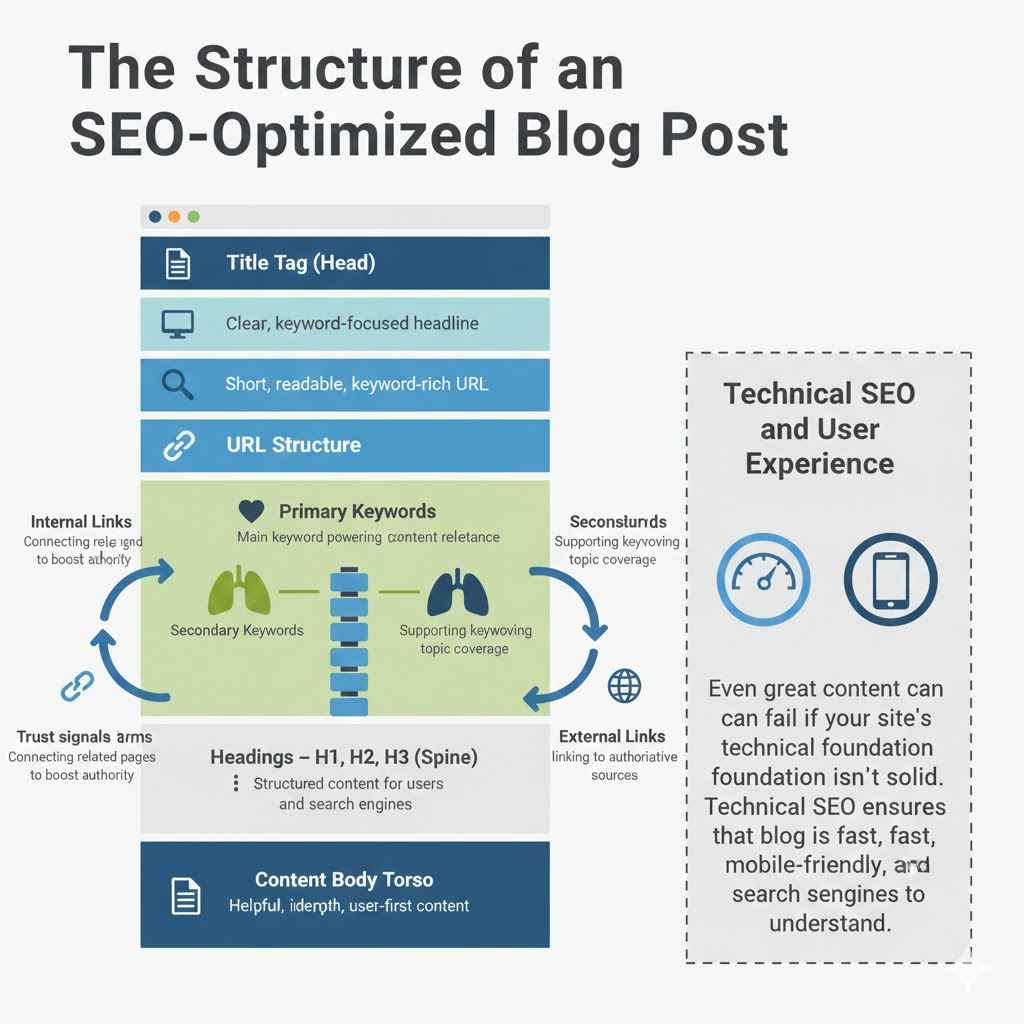
- Technical SEO – Ensuring your site is fast, mobile-friendly, and easy to crawl.
- Content quality – Creating useful, engaging posts optimized for human readers first.
Knowing these search engine optimization basics is the first step for every blogger.
Understanding How Search Engines Work
Before optimizing, it’s crucial to understand how search engines like Google operate. Search engines crawl websites, index their pages, and rank them based on relevance and quality using complex algorithms.
Key Steps in the Search Process
- Crawling – Bots scan your site for content and links.
- Indexing – The crawled pages are stored in a massive database.
- Ranking – Google evaluates and orders your pages for specific search queries.
Core SEO Fundamentals for Bloggers
Understanding SEO fundamentals for bloggers means aligning your content strategy with what readers want and what search engines value.
1. Keyword Research
Keywords guide search engines to your blog. Use tools like Google Keyword Planner, Ubersuggest, or Ahrefs to find:
- Low-competition, high-relevance keywords.
- Long-tail keywords (e.g., “SEO fundamentals for food bloggers”).
- Questions your audience frequently asks.
2. On-Page SEO Optimization
Optimize each post with clear signals for search engines:
- Include primary keywords in your title, meta description, and subheadings.
- Use descriptive URLs (e.g., yourblog.com/seo-basics-guide).
- Add internal links to connect related posts.
- Optimize images with alt text.
3. Writing High-Quality Content
Search engines prefer useful, original, and human-centered writing. Focus on:
- Clarity – Write in simple, conversational language.
- Structure – Use short paragraphs, bullet points, and subheadings.
- Relevance – Address specific user intent.
Improve Site Speed
- Compress images before uploading.
- Use a caching plugin (e.g., WP Rocket).
- Remove unnecessary scripts or plugins.
- Use a reliable hosting provider.
Make Your Blog Mobile-Friendly
More than 60% of Google searches now come from mobile devices. Choose a responsive theme and preview your posts on phones and tablets.
Optimize Site Structure
A clear architecture helps both users and Google navigate your blog:
- Use categories and tags wisely.
- Create an XML sitemap.
- Keep URL paths short and descriptive.
Ensure Secure Browsing
Always use HTTPS. It builds trust and slightly boosts rankings.
Main Section 3: Building Authority with Off-Page SEO
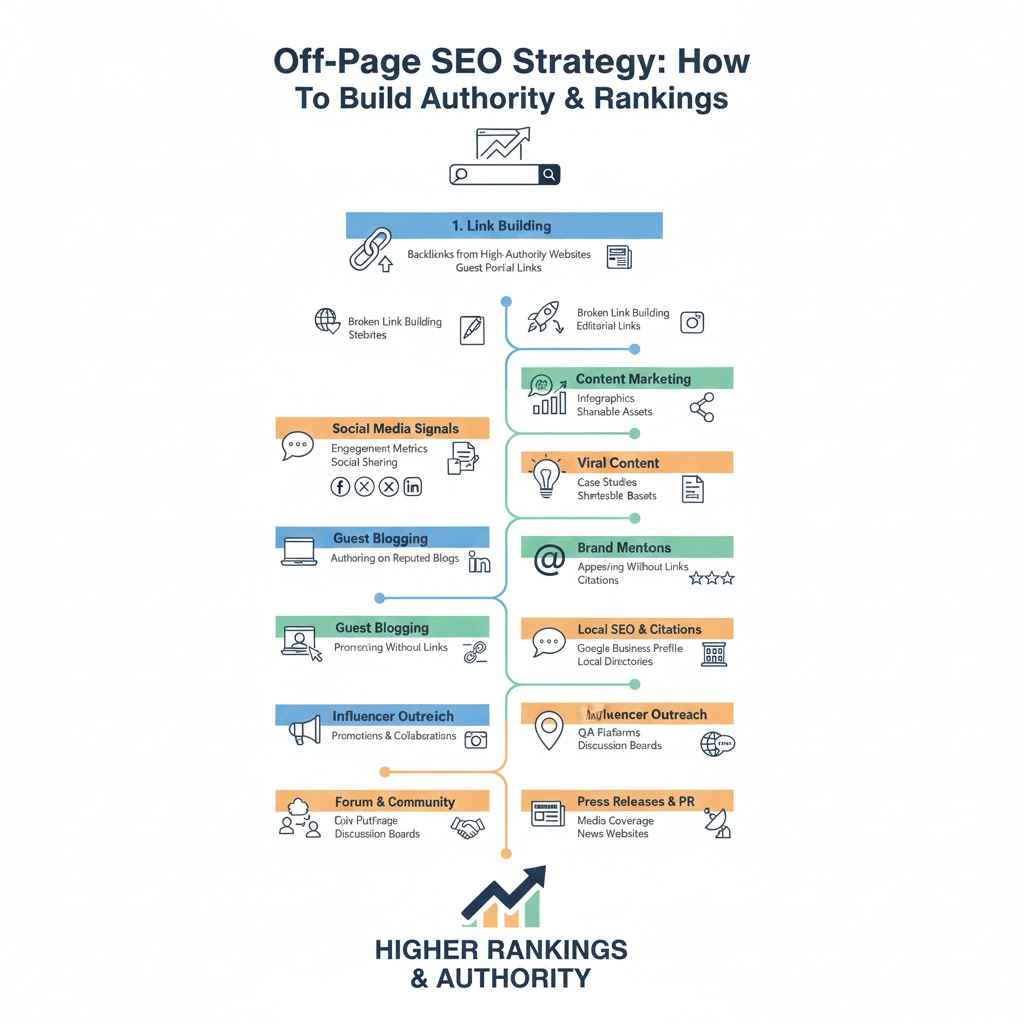
Off-page SEO signals tell search engines that others trust your blog, boosting your authority and ranking.
Key Off-Page SEO Techniques
- Backlinks: Gain quality backlinks from relevant, reputable sites. Guest posting and partnerships help.
- Social Signals: Promote your content on social media to increase visibility and shares.
- Brand Mentions: Even unlinked references to your blog can strengthen your site’s authority.
Common Mistakes and Challenges
Even experienced bloggers make SEO mistakes that hinder performance. Avoid these pitfalls:
- Keyword Stuffing: Overusing keywords makes your content sound unnatural.
- Ignoring metadata: Missing meta titles or descriptions reduces click-through rates.
- Duplicate Content: Google penalizes sites with repeated or copied content.
- Neglecting Mobile Users: Poor mobile displays drive visitors away.
- Skipping Analytics: Without tracking, you can’t know what’s working.
Take time to audit your blog and ensure each element contributes positively to your SEO goals.
Best Practices and Actionable Tips
Here are tried-and-true tactics to strengthen your blog’s SEO:
- Write for humans first, search engines second.
- Keep paragraphs concise and engaging.
- Add relevant internal and external links.
- Optimize old posts regularly.
- Use schema markup for better visibility in rich snippets.
- Track your progress with Google Analytics and Google Search Console.
- Focus on E-E-A-T: Experience, Expertise, Authority, and Trust.
Consistency is key. SEO success builds gradually through consistent quality and optimization.
Mastering search engine optimization basics is one of the smartest investments a blogger can make in 2026. Good SEO helps your posts rank higher, attract loyal readers, and generate long-term traffic without paid ads.
Focus on learning the SEO fundamentals tutorial—keyword research, technical structure, and authority building—while continuously creating meaningful, well-optimized content. With patience and consistency, your blog can steadily climb the search results and establish lasting authority.
FAQs
What are SEO fundamentals for bloggers?
SEO fundamentals include understanding how search engines work, optimizing your blog structure, using strategic keywords, and focusing on valuable, user-focused content.
Do I need to update my old blog posts for SEO?
Yes. Regularly updating older posts with fresh data, images, and current keywords improves your chances of ranking higher
What’s the role of backlinks in SEO?
Backlinks act as votes of confidence from other websites. High-quality backlinks signal to Google that your content is trustworthy and relevant.
How can I track my SEO progress?
Use Google Analytics for traffic insights and Google Search Console for keyword performance, crawl issues, and indexing status.
Can I do SEO without coding?
Absolutely. Most blogging platforms (like WordPress) offer tools and plugins that make SEO simple, even for non-technical users.
Is SEO only about keywords?
No. While keywords matter, SEO also includes site structure, user experience, backlinks, and content authority—all of which contribute to ranking success.
What is SEO for beginners?
It’s the process of optimizing your blog so search engines can understand, rank, and display it when users search for related topics. Beginners should focus on keywords, content quality, and basic technical setup.
How long does SEO take to work?
Most new blogs start seeing noticeable SEO results within three to six months. However, steady progress depends on niche competition, content quality, and consistency.
Ready to get started? Apply these SEO fundamentals to your next post and watch your blog’s visibility grow