Starting a blog in 2026 provides blogging beginners with an accessible way to share ideas, connect with their audience, and potentially generate income from home. With advanced platforms and AI-assisted tools simplifying blog setup, anyone can launch successfully without technical hurdles. This complete guide walks through every step of how to start a blog, from choosing a niche to monetizing your content, ensuring you build a thriving site.
Blogging Overview
Blogging involves creating and publishing online content on a dedicated website, typically in reverse chronological order with the newest posts at the top. For blogging beginners, it’s about turning personal knowledge or passions into valuable posts that solve reader problems, like fitness routines or budget travel tips. In 2026, blogging thrives due to search engine updates favoring helpful, original content, with millions of sites driving e-commerce and affiliate sales.
Key concepts include domains (your site’s address, e.g., yourblog.com), hosting (server space for files), and CMS like WordPress powering 43% of websites. Blog setup has evolved with one-click installs and drag-and-drop builders, making how to start a blog faster than ever. Mobile-first design and voice search optimization are now essentials, as 60% of traffic comes from phones.
Choose Your Niche
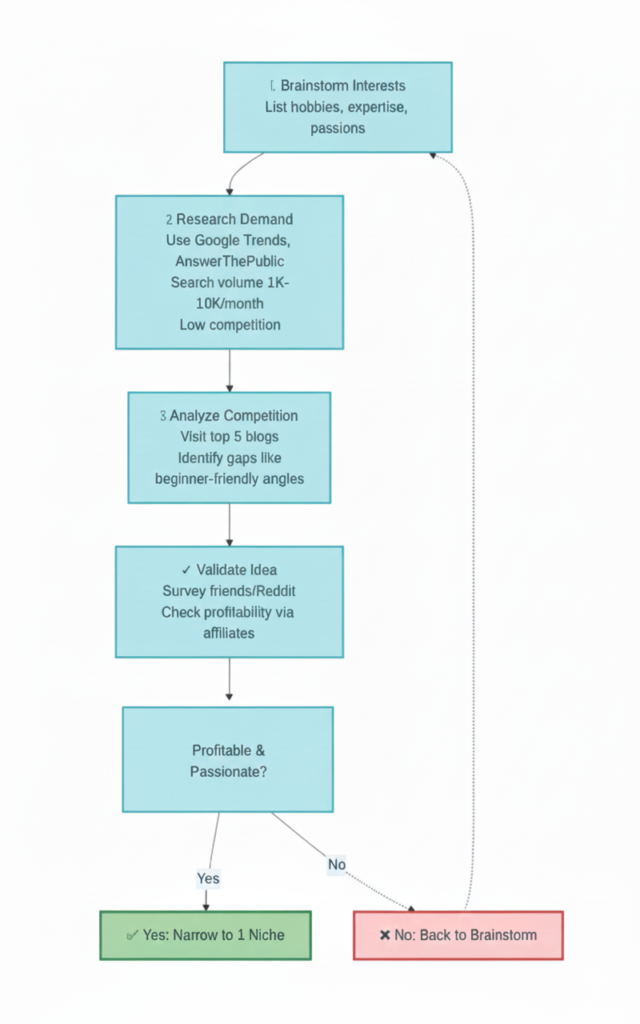
Selecting the right niche is the foundation of successful blogging for beginners. A niche focuses your content on a specific topic, helping you attract loyal readers searching for “how to start a blog” in related areas like parenting hacks or sustainable gardening. Combine passion with profitability—topics like health, finance, or tech often yield higher earnings through ads and sponsorships.
- Brainstorm interests: List 10 hobbies or expertise areas, such as keto recipes if you’re a home cook, or freelance writing tips from your career.
- Research demand: Tools like Google Trends or AnswerThePublic reveal popular queries; aim for 1,000-10,000 monthly searches with low competition.
- Analyze competition: Visit top blogs in your niche—note what they miss, like beginner-friendly vegan meal preps without fancy ingredients.
- Example: A travel blogger focusing on “solo backpacking for women over 40” carved a unique space, gaining 50K followers in year one by addressing overlooked pain points.
Validate by surveying friends or posting on Reddit. Narrow to one primary niche to avoid diluting your brand during initial blog setup.
Select Platform and Setup
Choosing the best platform streamlines blog setup for beginners. WordPress.org remains the top choice for its scalability, free themes, and plugins like Yoast for SEO. Pair it with affordable hosting from Bluehost or SiteGround, starting at $2.95/month with a free domain for the first year.
| Platform | Pros | Cons | Best For | Cost |
| WordPress.org | Full control, 60K+ plugins, SEO-friendly | Requires hosting | Long-term bloggers | $3-10/month hosting |
| Wix | Intuitive drag-and-drop, built-in hosting | Less flexible for growth | Visual creators | Free-$16/month |
| Blogger | Completely free, easy Google integration | Limited design, no custom domain free | Testing ideas | Free |
| Shopify Blog | Seamless e-commerce, inventory tools | Higher cost, sales-focused | Product-based blogs | $29/month+ |
| Squarespace | Stunning templates, all-in-one | Pricey, plugin limits | Design-heavy sites | $16/month |
Detailed blog setup steps:
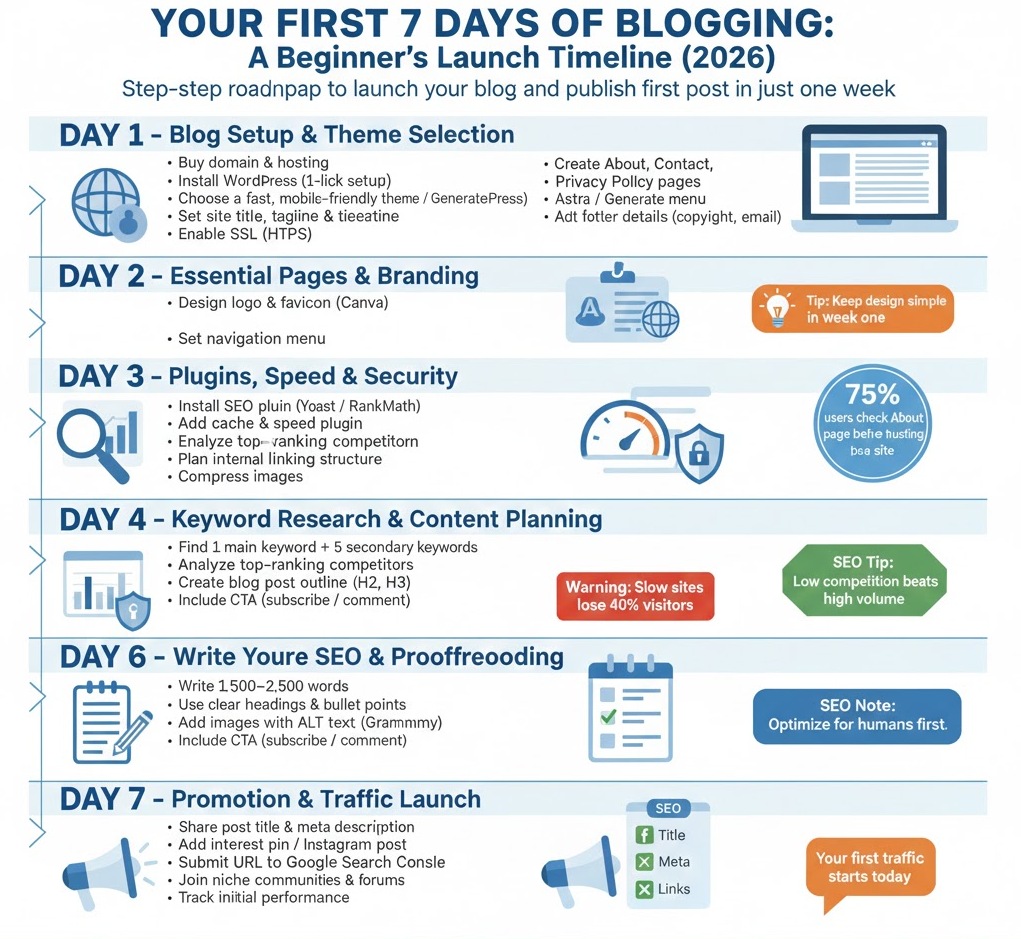
- Buy a domain: Use Namecheap for .com names under $15/year—keep it short and memorable.
- Sign up for hosting: Bluehost offers a one-click WordPress install; enable SSL for security.
- Log in to dashboard: Customize via Appearance > Themes; install Astra or GeneratePress for speed.
- Essential plugins: Yoast SEO for optimization, WPForms for contact pages, and UpdraftPlus for backups.
Budget $35-65 for year one, including domain and hosting. Test mobile view immediately—Google prioritizes fast, responsive sites.
Design and First Post
Effective design boosts user engagement, keeping visitors longer on your blog. Use clean layouts with ample white space, readable fonts (16px+), and high-quality images compressed for speed. Customize your header with a logo from Canva and add navigation menus for Home, About, Blog, Contact.
Practical tips for your first post:
- Craft magnetic titles: “How to Start a Blog in 2026: My $0 to $1K Journey” hooks readers.
- Structure content: 300-word intro, H2 sections with bullets, 150-word conclusion, and CTA like “Subscribe for weekly tips.”
- Optimize images: Alt text like “blog setup screenshot for beginners” aids SEO.
- Add pages: About shares your story for trust; Contact builds leads.
Aim for 1,500-2,500 words on evergreen topics like “Blogging for Beginners: 10 Mistakes to Avoid.” Proofread with Grammarly, then hit publish. Promote via social shares right away.
Monetization Strategies
Monetization turns your blog into income after building traffic (aim for 10K monthly visitors). Affiliates offer the quickest wins, earning commissions by recommending products readers love.
| Method | Timeline to Earnings | Earnings Potential | Requirements |
| Affiliates (Amazon, ClickBank) | 3-6 months | $100-5,000/month | 1K visitors, relevant links |
| Display Ads (Google AdSense, Mediavine) | 6-12 months | $20-100/1K views | 10K-50K sessions/month |
| Sponsored Posts | 6-18 months | $200-2,000/post | 20K+ followers |
| Digital Products (ebooks, courses) | 1-2 years | $1K-10K/month | Email list of 1K+ |
| Memberships (Patreon) | 12+ months | Recurring $5-50/sub | Loyal community |
Pros of diversification: Stable income streams. Cons: Initial traffic grind and compliance with FTC disclosure rules. Start with Amazon Associates—sign up free and link products naturally.
Common Mistakes
New bloggers sabotage growth with avoidable errors. Spot these early for smoother how to start a blog progress.
- Broad niche: Jumping topics confuses Google and readers; commit to one for 6 months.
- Irregular posting: Sporadic content kills momentum; schedule via the Editorial Calendar plugin.
- Ignoring SEO basics: Keyword stuffing penalties; use tools for natural placement.
- No audience building: Solitary writing fails; grow email list from post one.
- Overlooking speed: Slow sites lose 40% visitors; compress images and use caching.
- Copying others: Duplicate content tanks rankings; infuse unique voice and experiences.
Avoid by setting weekly goals and reviewing Analytics monthly.
Best Practices
Implement these for long-term blogging success. Focus on value to rank higher in 2026 searches.
- Content calendar: Plan 4 weeks ahead, mixing listicles, how-tos, and stories.
- SEO mastery: Target primary keywords like “how to start a blog” in titles, intros; secondary in subheads.
- Visuals everywhere: 70% more engagement with images, infographics, videos.
- Email automation: Use ConvertKit for welcome sequences nurturing subscribers.
- Cross-promote: Repurpose posts to YouTube shorts, Pinterest pins, Twitter threads.
- Analyze and iterate: Google Search Console shows top queries; update old posts yearly.
Consistency beats perfection—post weekly, engage daily.
From niche selection and platform setup to consistent content and smart monetization, this guide equips blogging beginners to launch successfully in 2026. Prioritize helpful posts and audience growth for lasting results. Start your blog today, apply these steps, and check related guides on SEO and traffic building next.
FAQs
How long does it take to make money blogging?
Realistic timeline: 6-12 months for first $100 via affiliates, scaling to $1K+ with 50K views. Patience and promotion speed it up.
Is it free to start a blog?
Free platforms like Blogger work for tests, but self-hosted WordPress ($35/year) unlocks growth potential without limits.
What should my first blog post be about?
Introduce yourself: Share your why, niche, and one actionable tip, like “My Blogging for Beginners Checklist.”
How do I get traffic to my new blog?
SEO (60%), social shares (20%), email (10%), guests (10%). Start with Pinterest for visual niches.
Do I need a website to blog?
Yes for ownership and monetization; platforms like Medium limit control and earnings.
How much does it cost to start a blog in 2026?
$35-100 first year: $15 domain, $36 hosting, $20 theme/plugins. Scale as needed.
What is the best platform for blogging beginners?
WordPress.org—versatile, free core, huge community support for easy blog setup.
How often should I post on my blog?
1-2 times weekly; prioritize depth over frequency for SEO and retention.
Do I need technical skills to blog?
Minimal—modern tools handle 90%; learn basics via free YouTube tutorials.