For most laptop buyers, price increases usually feel sudden and unexplained. One year a configuration feels affordable, and the next year the same specs cost noticeably more. In 2026, that uncomfortable déjà vu is expected to hit harder than usual. The reason is something few consumers track closely, but manufacturers watch obsessively: memory supply.
What industry insiders are now calling the RAM Fallout is not a single event, but a slow-moving supply shock that’s been building for years. By 2026, its effects are projected to become impossible to ignore. Laptop prices are expected to rise, entry-level configurations may shrink, and upgrade costs could feel unreasonably high.
This article breaks down the RAM Fallout in plain, expert terms. We’ll explore why memory shortages happen, what makes the 2026 crunch different, how it directly affects laptop pricing, and what real buyers should do to protect themselves. This is not speculation or hype. It’s a grounded, industry-informed analysis designed to help you make smarter decisions in a tightening market.
Understanding the RAM Fallout in Simple Terms
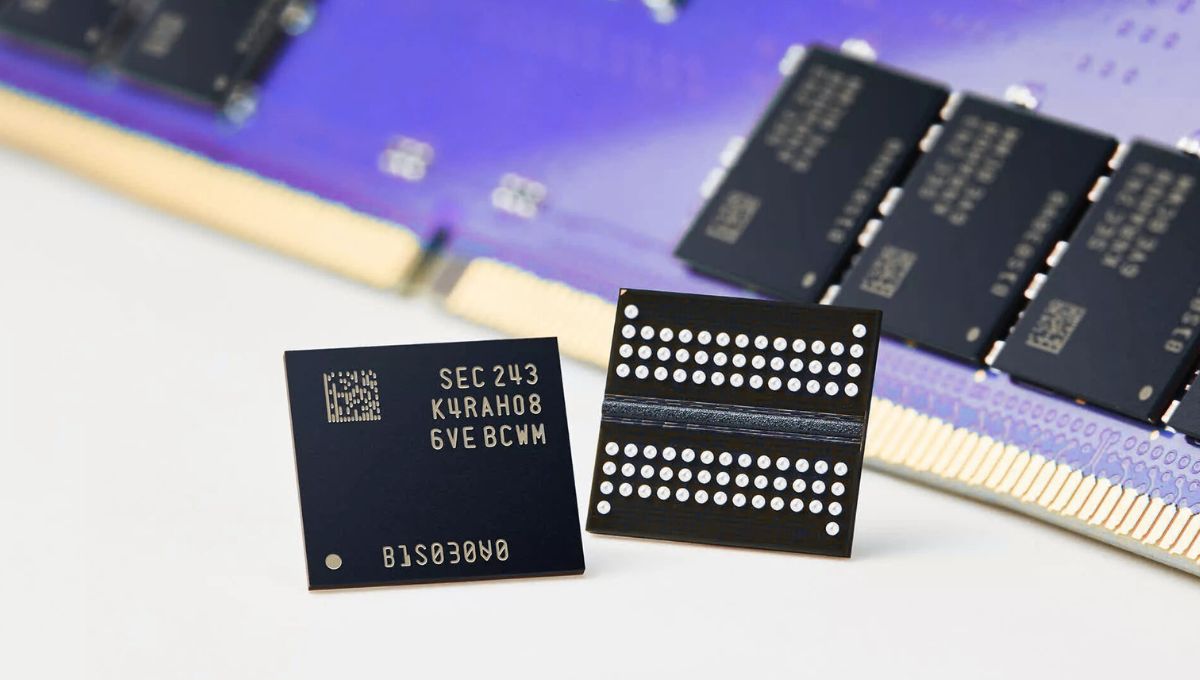
At its core, the RAM Fallout refers to a global imbalance between memory demand and memory supply. When demand outpaces production capacity, prices rise. When prices rise, every product that depends on memory becomes more expensive.
Unlike storage shortages, which often ease quickly, RAM shortages tend to linger. Memory fabrication is capital-intensive, slow to scale, and highly sensitive to shifts in technology priorities. Once supply tightens, it doesn’t rebound overnight.
By 2026, several overlapping trends are expected to collide, turning what might have been a manageable shortage into a pricing shock that ripples through the entire laptop market.
Why Memory Shortages Hit Laptops Harder Than Other Devices?
Laptops are uniquely vulnerable to memory supply disruptions. Smartphones, tablets, and servers all use RAM, but laptops sit in a difficult middle ground.
- They require more RAM than phones
- They ship in far higher volumes than high-end servers
- They often rely on newer memory standards earlier
When RAM becomes scarce, manufacturers tend to prioritize higher-margin products first. That often means enterprise hardware and data center systems get preference, while consumer laptops are forced to absorb price hikes or specification cuts.
This is where the RAM Fallout becomes a consumer problem, not just an industry one.
Read more:- Top 10 DJI Drones to Buy in India in 2025 for Beginners Who Want Zero Regret?
The Shift to Newer Memory Standards Is a Major Trigger
One of the biggest drivers of the 2026 RAM Fallout is the industry-wide transition toward newer memory technologies.
From DDR4 to DDR5 and Beyond
Most modern laptops are now moving decisively toward DDR5 memory. While DDR5 offers clear performance and efficiency gains, it also introduces complications:
- Higher manufacturing costs
- Lower yields in early production phases
- Limited supplier flexibility
As laptop brands phase out DDR4, they lose a cheaper fallback option. This means even budget laptops are increasingly dependent on pricier memory components.
AI and Enterprise Demand Are Consuming Memory Supply
Consumer laptops are no longer the biggest memory buyers in the room.
Data Centers and AI Workloads
Artificial intelligence training, inference systems, and cloud computing infrastructure consume enormous amounts of RAM. These sectors are growing faster than consumer electronics, and they are far more profitable for memory manufacturers.
When supply is constrained, chipmakers allocate memory where margins are highest. This leaves laptop manufacturers competing for leftovers, often at higher prices.
The RAM Fallout is not caused by laptops needing more memory. It’s caused by everyone else needing vastly more.
Manufacturing Constraints: Why RAM Can’t Scale Quickly?
Memory fabrication plants cost billions to build and take years to become operational. Even when manufacturers anticipate future demand, ramping up production is risky.
If demand softens unexpectedly, excess memory floods the market, and prices collapse. Because of this, memory makers are cautious about over-expansion. That caution, while rational for suppliers, leaves the market vulnerable to shortages.
By 2026, the industry is expected to face:
- Tight production pipelines
- Limited short-term capacity increases
- Strong pricing control by suppliers
This combination is a textbook setup for sustained price pressure.
How the RAM Fallout Translates to Higher Laptop Prices?
For consumers, the RAM Fallout doesn’t show up as a line item. It shows up in subtle but frustrating ways.
Entry-Level Laptops Become a Worse Value
Manufacturers may keep base prices stable by reducing default RAM configurations. Where 8GB once felt standard, buyers may start seeing 6GB or slower memory variants return in budget models.
Mid-Range Laptops Get More Expensive
For laptops that cannot compromise on memory, prices rise. A model that once cost a certain amount with 16GB of RAM may now cost significantly more for the same configuration.
Upgrade Costs Spike
Upgrading RAM at purchase time is likely to become disproportionately expensive, pushing more buyers toward higher-priced SKUs.
Real-World Example: A Typical Laptop Buyer in 2026
Imagine a buyer shopping for a productivity laptop in 2026:
- Needs smooth multitasking
- Expects long-term usability
- Wants at least 16GB of RAM
In previous years, this configuration would have been comfortably mid-range. During the RAM Fallout, it may be priced closer to premium territory, not because of better performance, but because memory itself has become a premium component.
Specs Snapshot: Memory Trends Affecting Laptops
To understand how deep the RAM Fallout runs, it helps to look at memory-related specifications becoming common in laptops:
Typical Laptop Memory Specs (2026 Era)
- Standard RAM: DDR5 or LPDDR5X
- Base Configurations: 8GB increasingly common, even at higher prices
- Recommended Configurations: 16GB for longevity
- Upgrade Flexibility: Reduced, with more soldered RAM designs
Soldered memory further complicates the issue. When RAM is fixed to the motherboard, buyers lose the option to upgrade later, forcing higher upfront spending.
Why Laptop Brands Can’t Simply Absorb the Cost?
It’s tempting to assume manufacturers could shield buyers by absorbing memory cost increases. In reality, laptop margins are already thin, especially in competitive segments.
When RAM prices rise:
- Brands either raise prices
- Or cut costs elsewhere
Cost-cutting often means compromises in build quality, display panels, battery size, or port selection. None of these outcomes benefits consumers.
The RAM Fallout forces difficult trade-offs that ripple across the entire product experience.
The Psychological Impact on Buyers
Price hikes tied to invisible components like RAM create frustration. Buyers see similar-looking laptops costing more and assume brands are being greedy.
In truth, memory pricing is one of the least flexible parts of laptop manufacturing. This disconnect between perception and reality erodes trust, even when brands have little control over the situation.
Understanding the RAM Fallout helps buyers make sense of these changes rather than feeling blindsided by them.
Who Will Be Hit the Hardest by the RAM Fallout?
Not all buyers are affected equally.
Students and Budget Buyers
Entry-level laptops are most vulnerable. When prices rise, compromises hit hardest at the low end, where every dollar matters.
Professionals and Creators
Users who rely on memory-intensive applications will feel the pressure when high-RAM configurations become significantly more expensive.
Gamers
Gaming laptops already carry premiums. Higher RAM costs push prices further upward, narrowing the gap between mid-range and high-end models.
How to Buy Smarter During the RAM Fallout?
The RAM Fallout doesn’t mean buyers are powerless. Strategic decisions can reduce its impact.
Buy Sooner, Not Later
If you anticipate needing a laptop within the next year, buying earlier may lock in better value before shortages intensify.
Prioritize RAM Over Cosmetic Features
It’s often smarter to choose a model with more RAM and a slightly less premium design than the reverse.
Avoid Non-Upgradeable Low-RAM Models
Soldered 8GB laptops may feel affordable now but could age poorly and cost more to replace sooner.
Could the RAM Fallout Ease After 2026?
Memory markets are cyclical, but the forces driving this crunch are structural, not temporary.
AI demand, enterprise expansion, and advanced manufacturing complexity are not short-term trends. Even if supply improves, pricing may stabilize at a higher baseline rather than returning to past lows.
In other words, the RAM Fallout may mark a permanent shift in how memory is valued in consumer electronics.
Long-Term Implications for the Laptop Industry
Beyond pricing, the RAM Fallout may reshape how laptops are designed and marketed:
- More emphasis on memory efficiency
- Greater push toward cloud-based workloads
- Longer product refresh cycles
Manufacturers may also become more conservative with default specs, redefining what “standard” means for years to come.
Why the RAM Fallout Matters More Than You Think?
The RAM Fallout is not a headline-grabbing crisis, but its impact will be deeply felt by everyday buyers. As memory becomes more expensive and less flexible, laptop pricing will reflect those constraints in ways that frustrate and confuse consumers.
Understanding why this is happening gives you power. It allows you to plan purchases wisely, evaluate value more accurately, and avoid configurations that won’t age well.
In 2026, laptops won’t be more expensive because brands want them to be. They’ll be more expensive because memory, the silent backbone of modern computing, has become a scarce and strategic resource.
FAQs
What is the RAM Fallout?
The RAM Fallout refers to a global memory supply crunch that is expected to drive up laptop prices due to higher RAM costs and limited availability.
Why will laptops be more expensive in 2026?
Rising RAM prices, increased demand from AI and enterprise sectors, and limited manufacturing capacity are all contributing factors.
Will all laptops be affected by the RAM Fallout?
Most consumer laptops will be affected, but budget and mid-range models are likely to feel the impact the most.
Is 8GB RAM still enough in 2026?
For basic tasks it may suffice, but 16GB is increasingly recommended for long-term usability and performance.