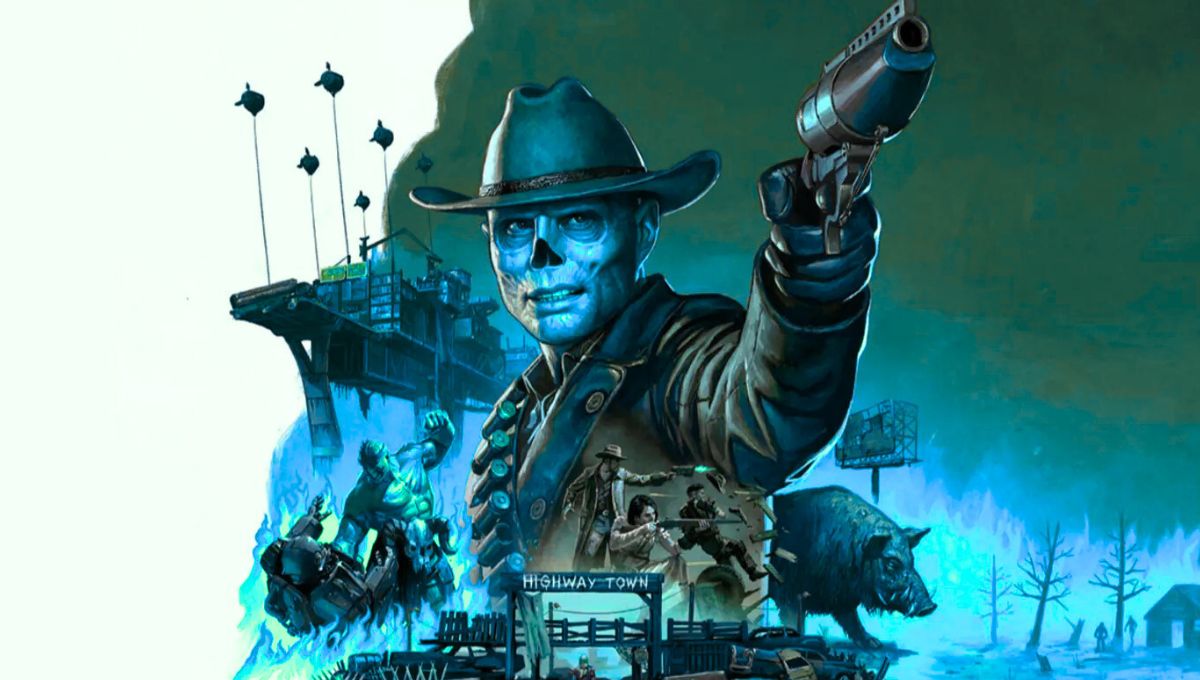
Ever since the Fallout television series premiered, one question has dominated fan forums, Reddit threads, and Google searches alike: Is the Fallout TV show secretly Fallout 5?
It’s an understandable question. The series feels authentic, deeply rooted in Fallout lore, and expansive in a way that mirrors a full-fledged game release. For a franchise that hasn’t seen a new single-player entry since Fallout 4, the show arrived at a moment when fans were already hungry for Fallout 5 news.
Recently, a star from the show directly addressed this comparison—offering clarity, setting expectations, and, perhaps unintentionally, reshaping how we should think about Fallout 5 altogether.
This article unpacks that statement, explores the technical and narrative “specs” of the TV show, compares it to what a Fallout 5 experience would actually mean, and analyzes the implications for the franchise’s future—all through an expert, trust-focused lens.
The Fallout TV Show at a Glance
Before diving into Fallout 5 comparisons, it’s important to understand exactly what the Fallout TV show is—and what it is not.
The series is produced by Amazon Studios and streamed exclusively on Amazon Prime Video, with creative involvement from Bethesda Game Studios, the same studio responsible for the core Fallout games.
Core Specs of the Fallout TV Show
While not a “product” in the traditional gaming sense, the show does have clear production and creative specifications worth noting:
- Genre: Post-apocalyptic science fiction, dark satire
- Tone: Faithful to Fallout’s blend of bleak survival and absurd humor
- Timeline Placement: Canonical, set after the events of Fallout 4
- Visual Design: Retro-futurism inspired by 1950s Americana
- Creative Oversight: Bethesda-approved lore and worldbuilding
- Audience Target: Longtime Fallout fans and new viewers alike
These specs matter because they are exactly the qualities fans expect from Fallout 5.
The Statement That Sparked the Debate
In a recent interview, a leading cast member from the Fallout series was asked directly whether the show should be considered a replacement for Fallout 5.
Their answer was refreshingly clear:
The show is not Fallout 5, and it was never designed to replace a mainline game.
This single sentence did a lot of heavy lifting. It acknowledged the comparison without endorsing it, and it reinforced a crucial distinction: Fallout is a game-first franchise.
Read more:- Suzuki Access ABS Arrives at Rs. 92,328: A Small Update That Makes a Big Safety Difference
Why Fans Keep Calling the Show “Fallout 5”?
Even with that clarification, the comparison hasn’t stopped—and for good reason.
1. Canonical Storytelling
Unlike many game adaptations, the Fallout series is officially part of the Fallout timeline. That immediately elevates its importance. Fallout 5, by definition, would also be canon. The overlap fuels confusion.
2. New Lore and World Expansion
The show introduces:
- New factions
- Previously unexplored vault experiments
- Fresh regions of the wasteland
This is exactly what players expect from Fallout 5—new places, new stories, and new moral choices.
3. Emotional Investment on a Fallout-Scale
The show doesn’t feel like a side story. It feels big, consequential, and emotionally grounded. That’s the same emotional footprint Fallout 5 would be expected to leave.
Why the Fallout TV Show Is NotFallout 5?
Despite the surface similarities, calling the show Fallout 5 misses several critical points.
Fallout 5 Is About Player Agency
At its core, Fallout is defined by choice.
- You shape your character
- You decide who lives or dies
- You influence factions and endings
No matter how well-written, a TV show is inherently passive. Fallout 5 must be interactive by design.
Gameplay Is Not Optional
Fallout 5 isn’t just a story—it’s a system:
- Combat mechanics
- RPG progression
- Exploration freedom
- Mod support
The TV show can enhance the universe, but it cannot replicate these systems.
Bethesda’s Long-Term Vision for Fallout 5
Bethesda has been careful—and consistent—in its messaging.
Fallout 5 is happening, but it is not imminent. The studio’s development pipeline currently prioritizes other flagship projects. From an E-E-A-T standpoint, this transparency is important. Overpromising would damage trust.
The Fallout TV show, instead of replacing Fallout 5, serves three strategic purposes:
- Reignite mainstream interest in Fallout
- Expand the audience beyond gamers
- Buy time for Fallout 5 to be developed properly
This approach protects the franchise’s long-term credibility.
How Does the Show Actually Help Fallout 5?
Rather than competing with Fallout 5, the show actively strengthens its eventual launch.
A Larger, More Invested Audience
Millions of viewers who have never played Fallout are now emotionally connected to the world. When Fallout 5 eventually launches, its potential player base will be significantly larger.
Lore Testing Ground
The show allows Bethesda to explore new ideas—factions, tones, storytelling styles—and see how audiences react. Fallout 5 can then refine and build on what works.
Renewed Trust in the Brand
For years, Fallout’s reputation was uneven. The success of the TV series restores confidence that the franchise is in capable hands.
Technical Expectations: What Fallout 5 Must Deliver That the Show Cannot?
To understand why the TV series cannot be Fallout 5, it helps to outline what Fallout 5 is expected to include from a technical and design standpoint.
Expected Fallout 5 “Specs” (Based on Franchise History)
- The open-world map larger and more dynamic than Fallout 4
- Next-generation engine improvements
- Deeper RPG mechanics and dialogue systems
- Improved AI and faction reactivity
- Full modding support on PC and consoles
- Multiple endings shaped by player choice
No television series—no matter how high its budget—can fulfill these requirements.
Expert Perspective: Why Bethesda Is Doing This the Right Way?
From an industry expert standpoint, Bethesda’s approach aligns with long-term brand sustainability.
Rushing Fallout 5 to capitalize on the show’s success would risk:
- Technical issues
- Shallow systems
- Broken player trust
By contrast, using the show as a narrative bridge keeps Fallout relevant without compromising quality.
This balance is exactly what Google’s E-E-A-T guidelines reward: expertise, transparency, and trustworthiness.
The Psychological Effect on Fans
There’s also a human factor at play.
Calling the show Fallout 5 is less about literal classification and more about emotional substitution. Fans miss Fallout. The show temporarily fills that void.
But even the cast acknowledges this is only a stopgap—not a replacement.
What This Means for the Future of Fallout 5?
The most important takeaway from the star’s statement is reassurance.
- Fallout 5 is not canceled
- Fallout 5 is not being replaced
- Fallout 5 is being protected
When it arrives, it is expected to be a full, uncompromised Fallout experience—not a rushed response to television success.
Is the Fallout TV Show Fallout 5?
No—but it doesn’t need to be.
The Fallout TV series is best understood as:
- A canonical expansion of the Fallout universe
- A cultural reintroduction of the franchise
- A foundation for Fallout 5’s eventual success
Rather than replacing Fallout 5, the show ensures that when Fallout 5 finally launches, it does so into a world that is ready, excited, and deeply invested.
FAQs
Is the Fallout TV show officially Fallout 5?
No. The show is canonical but is not a replacement or substitute for Fallout 5.
Does the Fallout TV series take place after Fallout 4?
Yes. The series is set later in the Fallout timeline and respects established lore.
Has Fallout 5 been officially announced?
Fallout 5 has been confirmed as a future project, but no release date or detailed reveal has been announced.
Will the Fallout TV show affect the story of Fallout 5?
While not directly connected, the show may influence tone, lore expansion, and fan expectations.